Witchy Surnames: From Stigma to Spellbinding Style
There’s something undeniably cool about a last name like Spellman or Blackwood. It sounds like someone who lives in a candlelit cottage, brews potions, and maybe owns a talking cat. But once upon a time, these names weren’t quirky or charming. They were downright dangerous….

3 min read
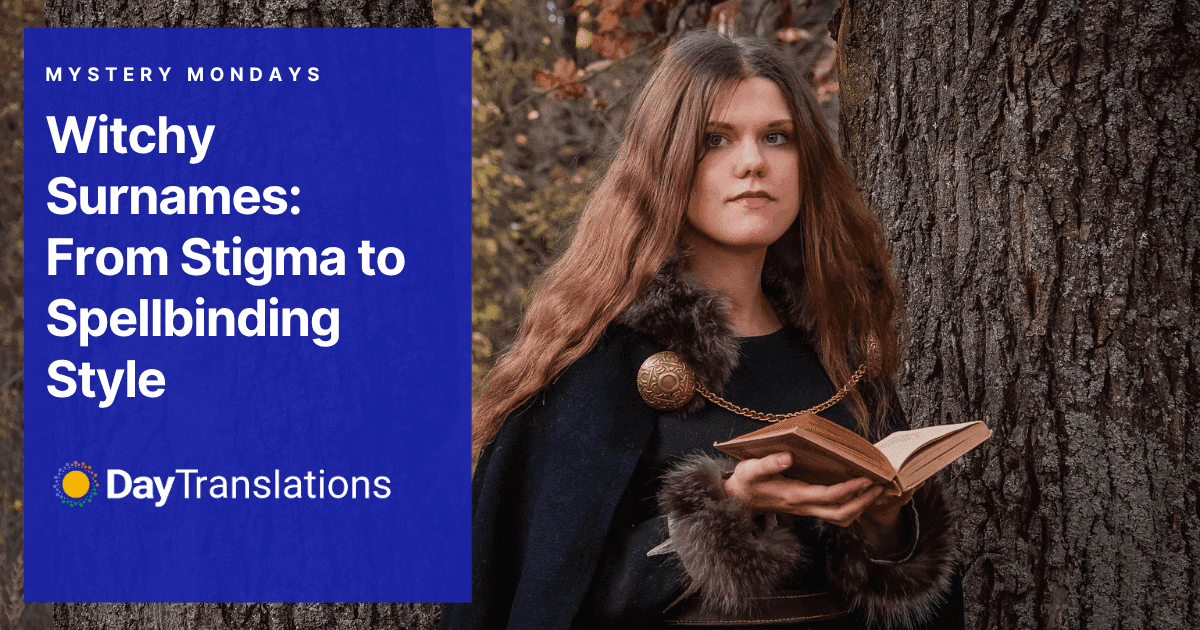
There’s something undeniably cool about a last name like Spellman or Blackwood. It sounds like someone who lives in a candlelit cottage, brews potions, and maybe owns a talking cat. But once upon a time, these names weren’t quirky or charming. They were downright dangerous.
Welcome to this week’s Mystery Mondays, where we dig into the shadowy past (and magical makeover) of witchy surnames.
The Spooky Sound of a Name
Throughout history, surnames often told a story—your job, your hometown, or even your personality. But when those names hinted at mystery, magic, or the dark arts, they sometimes attracted suspicion.
Take names like:
- Spellman – literally suggesting someone who casts spells
- Nightshade – a deadly plant long linked with witches’ brews
- Blackwood – a dark forest setting, straight from a Grimm tale
In early modern Europe, especially during the witch trials of the 16th and 17th centuries, even being associated with sorcery could get you into serious trouble. A “witchy” surname might raise eyebrows—or worse, land you on trial.
Witch Hunts Were Real – And So Was the Stigma
The witch-hunting craze wasn’t just about magic. It was about power, fear, and control. Anyone who stood out—midwives, herbalists, outspoken women—was fair game. A strange surname didn’t help.
Names with “dark” or “mystical” vibes were sometimes viewed with suspicion. Whether it was fair or not (spoiler: it wasn’t), names could carry a social curse of their own.
From Fear to Fantasy
But fast forward a few hundred years, and something interesting happened. What was once feared became… fashionable.
Thanks to TV shows, novels, and Halloween’s growing popularity, surnames that once carried a whiff of brimstone are now pure magic.
- Sabrina Spellman from Sabrina the Teenage Witch made “Spellman” iconic.
- Prudence Blackwood from Chilling Adventures of Sabrina gave “Blackwood” a stylish edge.
- Nightshade, once associated with poison, now pops up in fantasy novels and gothic merch.
Today, these names are embraced for their mystical appeal, feminine power, and literary flair. What was once a mark of otherness is now a badge of originality.
Why the Change?
Cultural reappropriation plays a big role. Just like people have reclaimed words or symbols once used against them, witchy surnames have been embraced by fans of fantasy, folklore, and feminism.
Witches today are no longer just villains. They’re powerful, independent, and mysterious—everything a good fictional heroine (or Instagram bio) aspires to be.
So, Should You Change Your Name to Moonshadow?
You could! Witchy surnames are no longer a social liability—they’re a vibe. Whether it’s in cosplay, author pen names, or baby name lists (yes, really), mystical monikers are casting a spell on modern culture.
What was once feared is now fabulous. And that, friends, is the real magic.

Written by
Day TranslationsThe Day Translations editorial team is composed of seasoned linguists, translators, and localization experts with a deep passion for language and cross-cultural communication. With decades of combined experience in translation, interpreting, and multilingual content creation, the team brings a unique perspective on the evolving world of global communication. Their insights reflect both academic expertise in linguistics and hands-on experience. Each article is crafted to inform, inspire, and support professionals navigating the multilingual landscape.
Stay in the loop
Get the latest articles on translation, localization, and language delivered straight to your inbox.