Delulu: Is It Just Fantasy, or Something More?
Scroll through TikTok, Instagram, or Twitter, and you’re bound to see people describing themselves or others as “delulu.” It’s shorthand for “delusional,” but in a playful, kitschy way. Someone might say, “I’m delulu about our group chat turning into a book club next year,” meaning…

3 min read
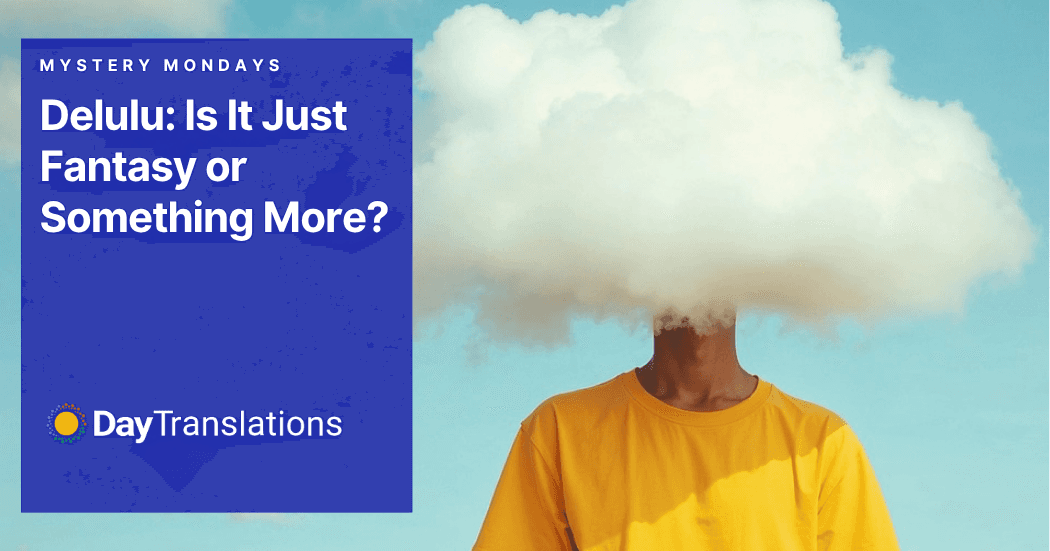
Scroll through TikTok, Instagram, or Twitter, and you’re bound to see people describing themselves or others as “delulu.” It’s shorthand for “delusional,” but in a playful, kitschy way. Someone might say, “I’m delulu about our group chat turning into a book club next year,” meaning they’re unrealistically optimistic or wearing blinders to reality.
Since early 2025, the term delulu has exploded in popularity. According to Eastern Eye’s roundup of Gen Z slang, it’s among the top trending words (delulu, rizz, brain rot) and is clearly sticking around into mid-July 2025
Not Just Slang – A Cultural Mirror
At first glance, delulu is just another meme-worthy word. But its popularity reflects something bigger: our digital age’s fixation on aspiration, manifesting, and aesthetics. The delulu mindset is part of a broader pop-cultural emphasis on projecting idealized versions of ourselves, even if reality doesn’t match.
Influencers often say “delulu is the solulu”, meaning if you stay positively delusional, you’ll eventually manifest that “solution” (#solulu). This mirrors older ideas of manifestation from Oprah-era media and self-help culture but wrapped in Gen Z irony and wink.
Even Australian Prime Minister Anthony Albanese used “delulu” in Parliament in early 2025, mocking political opponents as being “delulu with no solulu.” That crossover into formal discourse underscores how real and mainstream the term has become.
Where Did It Come From?
Though it feels totally new, delulu is just the latest twist on a long pattern: taking a serious word and making it playful. It fuses delusional with a clipped, affectionate suffix, like babe or wifey, in a style common to internet slang.
This linguistic pattern has roots in many online communities. Words get shortened, reshaped, and reframed until they become in-group signals. When sufficiently viral, they enter everyday speech, and in the case of delulu, even formal speech.
Slang Isn’t Just for Teens
Words like delulu show how large and fast-moving youth cultures are reshaping language. Every generation reinvents expression. For Gen Z and Gen Alpha, slang isn’t just casual talk; it’s identity, creativity, and cultural resonance.
We’ve seen similar rises with:
- Rizz (charisma) – OUP Word of the Year 2023
- Brain rot (mental fog from content overload) – OUP Word of the Year 2024
- Brat summer (bold, unfiltered confidence tied to fandom culture) – dictionary-recognized trend of 2024
These terms evolve fast. What’s cool in January may be mid by fall. But this trending word, already entrenched in pop culture, shows strong staying power.
So, What’s the Deeper Story?
Why does delulu matter?
- It reveals how slang functions as emotional shorthand. One word captures a complex state: hopeful denial.
- It demonstrates semantic drift; words evolve from negative origins into playful identities.
- It reminds us that language is communal. The word thrives in groups, trends, and memes.
And like many slang words, if used too seriously or out of context, it can lose its original charm, or risk misunderstanding across generations.
Final Mystery: What Does Delulu Mean?
Next time someone calls you “delulu,” know it’s not an insult. It’s quirky, emotional, and part of digital culture. It’s a wink at optimism, even when it’s unrealistic.
Like a good mystery, delulu isn’t just about the word; it’s about why we need it, how we use it, and what it shows about us today.
Want to unpack another trending term or explore how slang reflects society? Drop your word suggestion and we’ll solve it next Monday.

Written by
Day TranslationsThe Day Translations editorial team is composed of seasoned linguists, translators, and localization experts with a deep passion for language and cross-cultural communication. With decades of combined experience in translation, interpreting, and multilingual content creation, the team brings a unique perspective on the evolving world of global communication. Their insights reflect both academic expertise in linguistics and hands-on experience. Each article is crafted to inform, inspire, and support professionals navigating the multilingual landscape.
Stay in the loop
Get the latest articles on translation, localization, and language delivered straight to your inbox.