The Power of Silence in Communication
Welcome back to The Language Classroom, where we explore all the fascinating ways humans (and even animals) express themselves. In an earlier edition, we decoded the language of animals; chirps, clicks, and rumbles galore. But today, we’re diving into something you might not immediately think…

4 min read
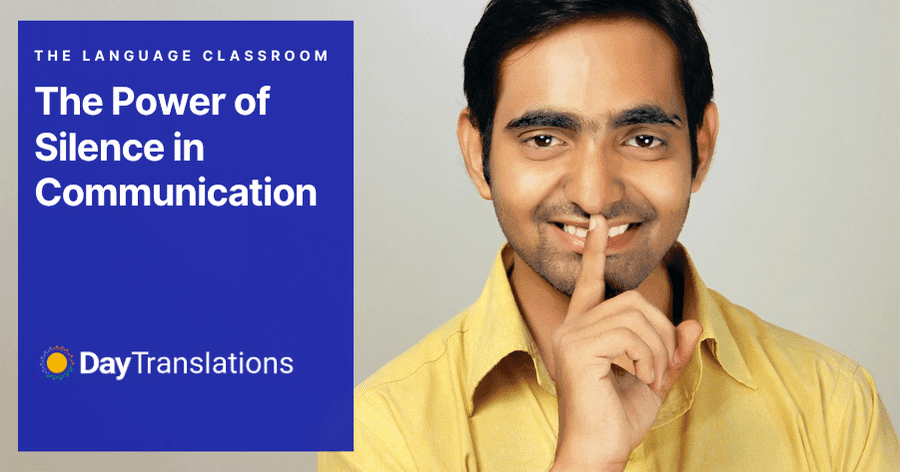
Welcome back to The Language Classroom, where we explore all the fascinating ways humans (and even animals) express themselves. In an earlier edition, we decoded the language of animals; chirps, clicks, and rumbles galore. But today, we’re diving into something you might not immediately think of as communication at all: silence.
That’s right. Silence isn’t just the absence of sound. In the world of communication, it’s often one of our loudest tools.
Whether it’s a moment of quiet before big news, a thoughtful pause in conversation, or a deliberate decision not to speak, silence can convey meaning, emotion, and even power. Let’s look at how silence works, why it’s such an underrated communication skill, and how different cultures use it to say more with less.
What Is Silence Saying?
Imagine you’re in a meeting and someone goes quiet after a big idea is shared. That pause can say:
- “I’m thinking.”
- “I disagree, but I won’t say it.”
- “I need a moment to process.”
- Or even, “That was profound.”
Silence gives us space to reflect, absorb, and respond more thoughtfully. It can create tension or peace, awkwardness or respect. In fact, depending on the situation, silence can mean the difference between conflict and resolution.
Silence is the unsung hero of communication in a world where we often feel pressured to fill every gap with noise.
Silence Across Cultures
Not all silences are created equal. In some cultures, being quiet is a sign of politeness and wisdom. In others, it might be seen as passive or uncomfortable. Let’s take a quick tour around the globe:
- Japan: Silence is often considered a sign of respect and intelligence. In conversations, silence allows people to listen fully and avoid unnecessary confrontation.
- Finland: Long pauses in conversation are entirely normal. There’s even a saying: “Silence is gold, speaking is silver.”
- United States: Silence can be awkward. Pauses are often filled quickly, sometimes with filler words like “um,” “you know,” or small talk.
- Indigenous Cultures: In some Native American traditions, silence is valued as a way of honouring the speaker, showing humility, or waiting for the right words to come.
These cultural differences highlight how silence is deeply embedded in our relationships with one another. It’s not just about being quiet, it’s about how and why we’re quiet.
Silence as a Strategy
Silence can be a powerful tool in many areas of life:
- In arguments: Remaining silent can de-escalate tension. Instead of reacting emotionally, silence creates a buffer to respond with clarity.
- In leadership: A pause can draw attention, command a room, or signal confidence. Think of a speaker who pauses just before a big point; they’ve got your full attention.
- In teaching: Letting students sit with a question, rather than jumping in with the answer, encourages deeper thinking and problem-solving.
- In therapy or counselling: Silence gives people room to reflect and speak when they’re ready, often leading to more honest, meaningful conversations.
In each case, silence isn’t just the absence of speech. It’s a choice. A signal. A space where connection can happen.
The Science Behind the Quiet
Our brains process silence differently from noise. Studies show that moments of silence can:
- Lower stress levels
- Improve focus
- Boost creativity
- Deepen emotional awareness
One fascinating study even found that two minutes of silence was more relaxing than listening to calming music. Why? Silence allows our brains to reset. It’s a mental breather, one that helps us better engage, listen, and understand when communication resumes.
In language learning, too, silence can help reinforce memory. That pause before answering a question? It’s not hesitation, it’s cognitive processing. And it matters.
What We Can Learn from Saying Less
Silence reminds us that communication isn’t just about talking. It’s about connection. And sometimes, connection doesn’t need words.
Here’s what silence teaches us:
- Listen more than you speak.
- Respect the unspoken.
- Not every question needs an immediate answer.
- Sometimes, the best reply is presence, not speech.
Learning to use silence is like learning a secret language in a noisy world. It’s powerful, mindful, and can say things words never could.

Written by
Seldean SmithSeldean is a multi-skilled content wizard that loves digging into all things language, culture, and localization.
Stay in the loop
Get the latest articles on translation, localization, and language delivered straight to your inbox.