The Language Classroom: Dance and Dialects – How Movement Reflects Regional Languages
Welcome back to The Language Classroom! After savoring the flavorful connection between food and language last week, we’re shifting our focus to the vibrant world of movement and dialects. Have you ever noticed how the way people move can mirror the rhythms and tones of…

4 min read
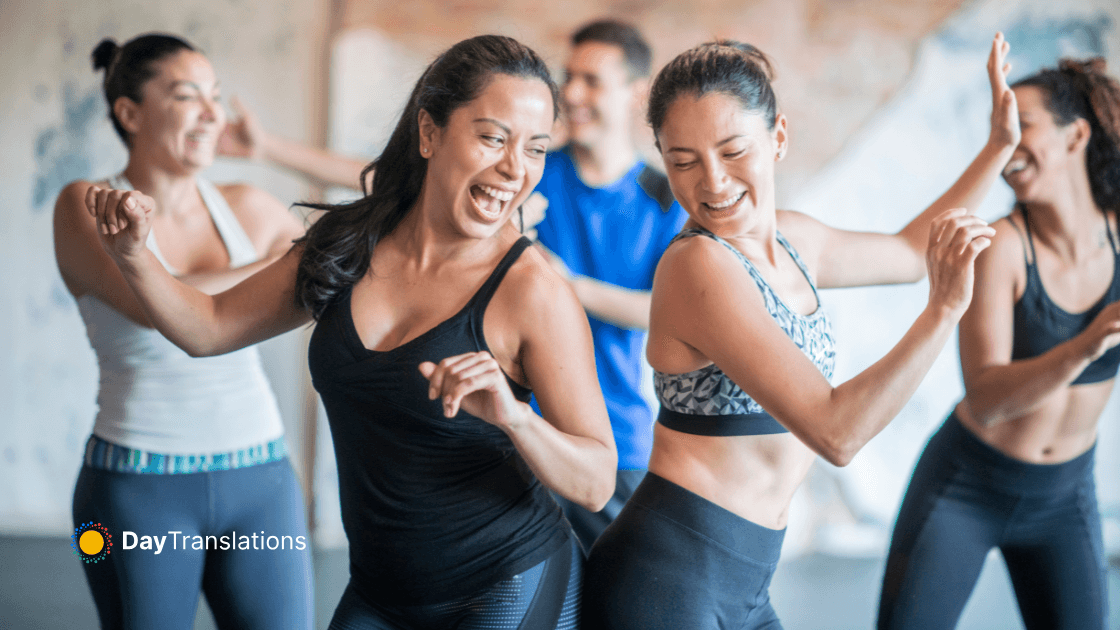
Welcome back to The Language Classroom! After savoring the flavorful connection between food and language last week, we’re shifting our focus to the vibrant world of movement and dialects. Have you ever noticed how the way people move can mirror the rhythms and tones of their regional languages? From salsa to samba, from waltz to the whirl of dervishes, dance and dialect share an intimate relationship rooted in culture, geography, and expression.
Grab your metaphorical dancing shoes, and let’s explore the fascinating interplay between how we move and how we speak!
The Dance of Dialects: How Language Influences Movement
Language and dance share a common thread: they’re both tools for communication. Just as dialects express regional identity through sounds, dance styles do so through movement.
- Spanish Flamenco and Andalusian Dialect: Flamenco’s fiery footwork and expressive gestures reflect the passion and cadence of Andalusian Spanish, where rhythm and emotion play a central role.
- Irish Step Dance and Gaelic Lilts: The quick, intricate footwork of Irish step dancing parallels the lively, lilting tones of the Irish Gaelic language. Both embody a sense of joy and resilience.
- West African Dance and Tonal Languages: In tonal languages like Yoruba, pitch conveys meaning. West African dances similarly use nuanced body movements to tell stories, making both language and dance deeply expressive.
How Regional Dialects Shape Rhythms and Gestures
Dialects aren’t just about words; they involve rhythm, intonation, and even body language—all of which influence regional dance styles.
- Brazilian Portuguese and Samba: The melodic, flowing nature of Brazilian Portuguese is mirrored in samba’s smooth yet energetic movements, creating a rhythm that feels distinctly Brazilian.
- French Creole and Zouk: The soft, fluid tones of French Creole languages are reflected in zouk dancing, where partners move seamlessly in sync with one another.
- American Southern Drawl and Two-Step: The relaxed, elongated vowels of Southern American English complement the steady, unhurried pace of the two-step dance.
Each dialect’s unique “music” naturally pairs with the physical expression of its people.
Dance as a Universal Language
While dialects can sometimes create communication barriers, dance serves as a universal language that bridges gaps. In multilingual regions, dances often incorporate elements from various cultures, creating a shared identity.
- Tango in Argentina: A blend of European, African, and Indigenous influences, tango reflects the multicultural fabric of Argentina, much like the country’s Spanish dialect.
- Bollywood Dance in India: Mixing classical Indian dance forms with global styles, Bollywood choreography mirrors the linguistic diversity of India, where dozens of regional languages coexist.
- Hip-Hop Worldwide: Born in the Bronx, hip-hop transcends language and borders, allowing people from Tokyo to Paris to move to the same beat while adding their local flavor.
Movement as a Reflection of Cultural Identity
Dance and dialect are both carriers of cultural identity. They embody traditions, values, and even resistance to change.
- Hula and Hawaiian Language: Traditional hula dances are deeply intertwined with the Hawaiian language, narrating legends and preserving the islands’ oral history.
- Polynesian Dances and Gestures: In Polynesian cultures, every movement in a dance corresponds to a word or phrase, making the dance itself a form of storytelling.
- Capoeira and Afro-Brazilian Dialects: This martial art disguised as dance originated among enslaved Africans in Brazil. Its movements, paired with songs in Afro-Brazilian dialects, reflect a history of resilience and rebellion.
The Future of Dance and Dialects
As globalization blurs borders, dance and dialects continue to evolve. Fusion genres are emerging, blending movements and languages to create new cultural expressions.
- Urban dance styles incorporate slang from various languages, turning streets into stages of cultural exchange.
- Social media spreads regional dances worldwide, popularizing styles like the Nigerian Zanku or South Korean K-Pop choreography.
- In multilingual workplaces, dance is even used in team-building exercises to break down cultural barriers!
The interplay between movement and language remains dynamic, adapting to the ever-changing rhythms of modern life.
Conclusion
Dance and dialects are two sides of the same coin, reflecting the soul of a culture through motion and sound. Together, they form a vibrant tapestry of human expression, showing us that language isn’t just something we speak—it’s something we embody.
Thank you for stepping into this rhythmic exploration with us! Next week, we’ll delve into another fascinating topic: The Science of Sound: How Accents Are Formed and Why They Matter. Until then, keep moving to the beat of your unique dialect!

Written by
Seldean SmithSeldean is a multi-skilled content wizard that loves digging into all things language, culture, and localization.
Stay in the loop
Get the latest articles on translation, localization, and language delivered straight to your inbox.