Securing the Gateway: Enhancing Maritime Port Security Measures
Maritime ports are vital arteries of global trade, serving as gateways for goods to flow between nations. While these hubs of commerce facilitate economic growth, they also present unique security challenges. Ensuring the safety and security of maritime ports is paramount to protecting the economy…

4 min read
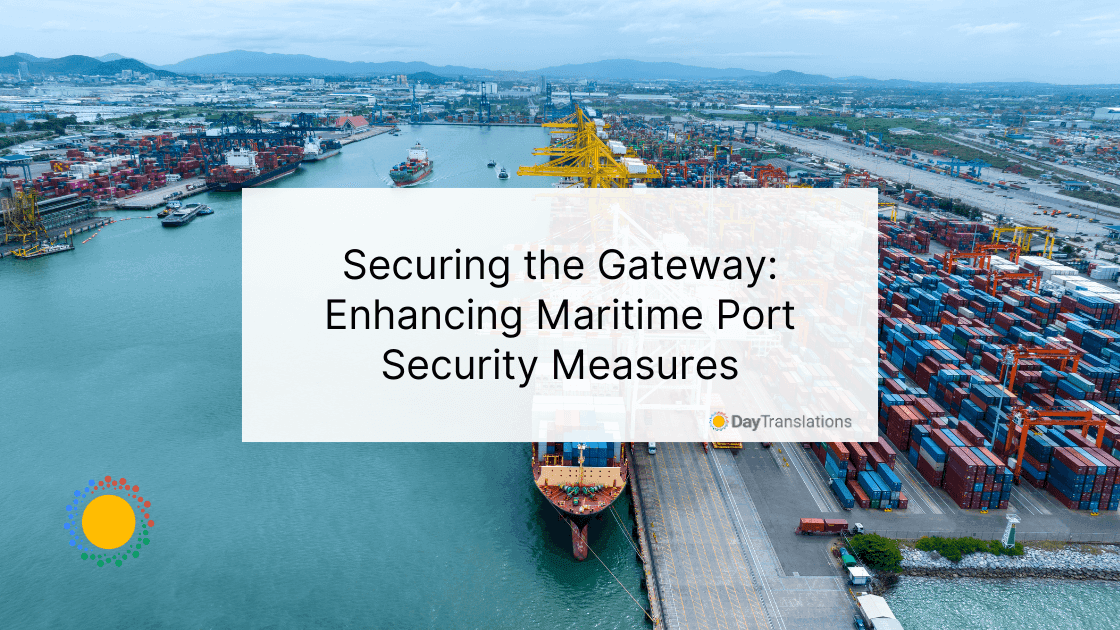
Maritime ports are vital arteries of global trade, serving as gateways for goods to flow between nations. While these hubs of commerce facilitate economic growth, they also present unique security challenges. Ensuring the safety and security of maritime ports is paramount to protecting the economy and national and international interests. In this article, we’ll explore the critical role of maritime port security and how interpreting and translation services contribute to enhancing these measures.
The Importance of Maritime Port Security
Maritime ports are bustling activity centers, handling millions of tons of cargo and accommodating thousands of vessels annually. This high activity level makes them susceptible to various security threats, including terrorism, smuggling, and environmental hazards. Here are some reasons why maritime port security is of utmost importance:
Economic Significance
Ports are key drivers of economic growth, contributing to job creation and increased trade. Securing these gateways ensures the uninterrupted flow of goods and services, preventing disruptions that could have far-reaching economic consequences.
National Security
Ports play a crucial role in a nation’s defense infrastructure. A breach in port security could lead to the infiltration of dangerous materials or individuals, posing a direct threat to national security.
Environmental Concerns
Ports are often located near ecologically sensitive areas. Accidents or security breaches can result in environmental disasters, making it imperative to have robust safety measures in place.
Enhancing Maritime Port Security Measures:
To safeguard maritime ports effectively, a multifaceted approach to security is required. Some key measures include:
Advanced Surveillance Systems for the Maritime Industry
Employing cutting-edge surveillance technology such as drones, NDAA-compliant CCTV cameras, and facial recognition software can help monitor port activities and identify potential security threats.
Access Control and Perimeter Maritime Security
Strengthening access control points and securing the port’s perimeter can prevent unauthorized entry and enhance security.
Security Personnel Training for Maritime and Port Security
Well-trained security personnel are the first line of defense against threats. Regular training and drills are essential to ensure their preparedness.
Cargo Inspection
Thorough cargo inspection procedures, including the use of X-ray machines and sniffer dogs, can detect illicit substances or dangerous materials.
Cybersecurity
As ports become increasingly digitalized, cybersecurity measures are essential to protect against cyber threats that could disrupt port operations.
The Role of Interpretation and Translation Services in Port Security
Interpretation and translation services play a crucial but often overlooked role in maritime port security. Here’s how they contribute:
Language Barriers
Maritime ports are global hubs where personnel from various countries collaborate. Interpretation services break down language barriers, ensuring effective communication among security personnel, customs officials, and other stakeholders.
Document Translation
Many important documents in the shipping industry, such as cargo manifests and customs paperwork, may be in different languages. Accurate translation ensures that vital information is understood correctly.
Cultural Understanding
Ports deal with individuals from diverse cultural backgrounds. Interpreters can help bridge cultural gaps, facilitating smooth interactions and preventing misunderstandings.
Emergency Response
In the event of a security breach or disaster, timely and accurate communication is critical. Interpreters can assist in relaying vital information to the appropriate parties.
Wrapping Up
Enhancing maritime port security measures is essential to protect the global economy and national security. Incorporating advanced technology, rigorous training, and robust surveillance systems is crucial in this endeavor. Moreover, recognizing the vital role of interpretation and translation services in overcoming language barriers and facilitating efficient communication is equally important. Together, these efforts will ensure that our maritime gateways remain safe and secure, fostering international trade and cooperation.
In a world where the seas connect nations and cultures, effective communication is the anchor that keeps maritime ports safe and secure. By acknowledging and investing in these essential elements, we can continue to reap the benefits of global trade while safeguarding our interests and the environment.

Written by
Seldean SmithSeldean is a multi-skilled content wizard that loves digging into all things language, culture, and localization.
Stay in the loop
Get the latest articles on translation, localization, and language delivered straight to your inbox.