Meaning of the Word Pajamas: Eastern Garments Turned Bedtime Essentials
When you slip into your cozy pajamas at night, you might not think about where the meaning of the word pajamas—or the clothing itself—comes from. But the story of pajamas is a fascinating journey through culture, colonialism, and fashion, tracing its origins far from the…

2 min read
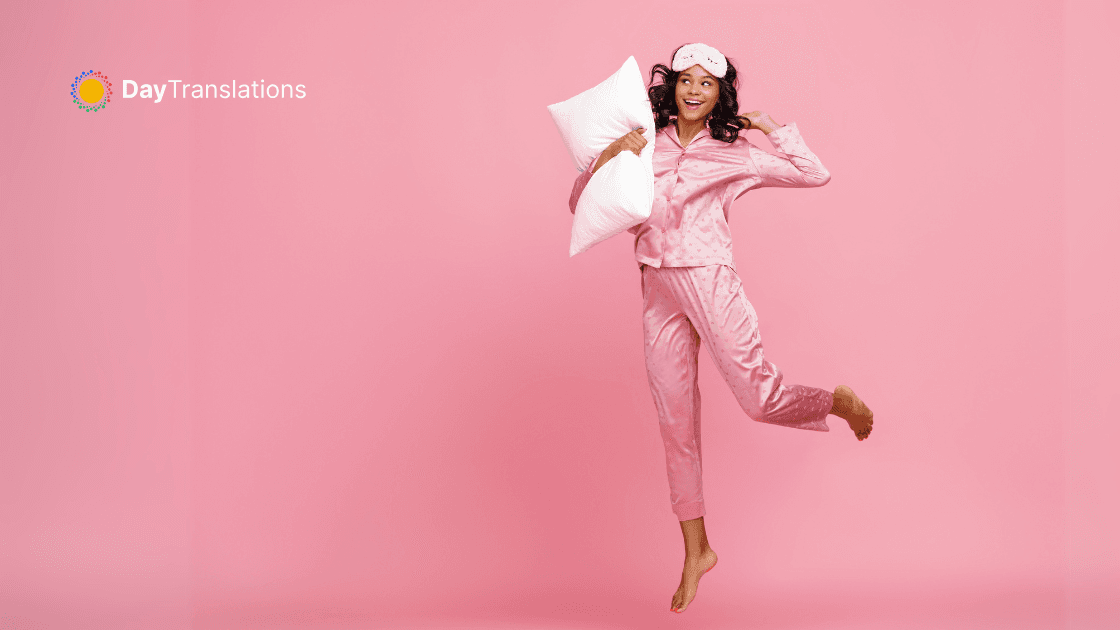
When you slip into your cozy pajamas at night, you might not think about where the meaning of the word pajamas—or the clothing itself—comes from. But the story of pajamas is a fascinating journey through culture, colonialism, and fashion, tracing its origins far from the Western world where it is now a bedtime staple.
The Eastern Roots and Meaning of the Word Pajamas
The word “pajamas” (also spelled “pyjamas”) originates from the Hindi and Persian word pāy-jāma, which translates to “leg garment.” In South Asia, these loose, lightweight trousers were traditionally worn by men and women alike, often paired with tunics. The comfortable and airy design made them perfect for hot climates, and they were commonly worn in India, Iran, and surrounding regions for centuries.
The British Influence: Pajamas Go Global
In the 17th and 18th centuries, British colonialists in India encountered pāy-jāmas and took a liking to the practical design. By the Victorian era, British men began adopting them as lounge or sleepwear, replacing the nightshirts that had previously been common in Europe. As trade and globalization expanded, so did the popularity of pajamas, making their way into Western wardrobes by the late 19th and early 20th centuries.
Pajamas Take Over the Western World
By the 1920s, pajamas had become a full-fledged fashion statement. Women embraced stylish silk and satin pajama sets, turning them into glamorous loungewear. Meanwhile, men’s pajama sets evolved into tailored two-piece outfits, often featuring button-up shirts and matching trousers. The influence of Eastern aesthetics on Western bedtime attire was undeniable, and pajamas became a household necessity.
Pajamas in Modern Times
Today, pajamas come in countless styles, from fleece onesies to high-end designer sets. The global market for sleepwear is booming, with sales reaching billions of dollars annually. Fun fact: some cultures still wear pajama-style trousers outside the home, proving that this Eastern-originated garment is still as versatile as ever.
The Word That Stuck
While pajamas have evolved in style and material, the word itself has remained largely unchanged. It serves as a linguistic and cultural bridge between East and West, reminding us how fashion is often shaped by historical exchanges.
So the next time you pull on your favorite pair of PJs, remember—you’re wearing a centuries-old tradition that started far beyond your bedroom!

Written by
Seldean SmithSeldean is a multi-skilled content wizard that loves digging into all things language, culture, and localization.
Stay in the loop
Get the latest articles on translation, localization, and language delivered straight to your inbox.