Marketing Translation: How to Get Your Message Right in Every Language
Before expanding into global markets, it’s essential to ensure your message travels well. While your product or service might stay the same, the way you present it can’t. Language, tone, and cultural nuance all play a critical role in how your marketing is received abroad….

9 min read

Before expanding into global markets, it’s essential to ensure your message travels well. While your product or service might stay the same, the way you present it can’t. Language, tone, and cultural nuance all play a critical role in how your marketing is received abroad. This is where marketing translation becomes not just helpful – but essential.
What Is Marketing Translation?
Marketing translation is the process of adapting marketing content from one language into another while preserving the original message’s intent, tone, and cultural nuance.
Unlike literal or word-for-word translation, marketing translation prioritizes resonance over literal interpretation. And it ensures that taglines, product descriptions, social media posts, and advertisements evoke the same emotions and responses in different markets.
You can think of it as copywriting in another language, rather than simple linguistic substitution. In fact, successful marketing translation often involves not only a team of linguists but copywriters and cultural consultants, too.
Why Marketing Translation Is Critical for Global Success
In today’s global economy, consumers prefer brands that speak their language, both literally and figuratively. A poorly translated slogan or culturally tone-deaf campaign can tank a product’s success overseas, damage brand reputation, or even offend the very market you’re trying to attract.
A Quick Example:
- The Swedish-owned vacuum manufacturer, Electrolux, once used the English slogan “Nothing sucks like an Electrolux” in the U.S. market. While humorous to American ears, the phrase confused and amused consumers rather than persuading them to buy the product source.

Image © Electrolux
When executed properly, marketing translation creates familiarity, trust, and emotional engagement that eventually leads to increased conversion rates and long-term brand loyalty.
Core Components of Marketing Translation
Cultural Context
Understanding the cultural backdrop of your target market is essential. For example, while the color red symbolizes luck and prosperity in China, it may carry completely different meanings elsewhere, like danger or passion.
Your visuals and slogans must be evaluated for cultural sensitivity before they’re released into the world.
Tone and Brand Voice
Is your brand playful, authoritative, luxurious, or rebellious? Your tone must come through across all translated assets. For instance, Apple maintains its minimalist, aspirational tone across languages by working with local copywriters rather than direct translators.
On the other hand, brands like Virgin Mobile differentiate themselves from other cell phone service providers thanks to a more unconventional tone and approach.
To sustain this competitive edge, their translated ads must toe the line between maintaining the company’s unique brand voice and not offending local markets that may not take kindly to too much irreverence. Like when Virgin Mobile KSA launched in Saudi Arabia as a fun, innovative brand, while respecting traditional cultural norms in their imaging.

Image © Virgin Mobile KSA
Localization
Marketing translation is part of a broader localization strategy. That includes:
- Using region-specific idioms or pop culture references
- Tailoring humor to local sensibilities
- Adapting units of measure, currencies, and dates
The best marketing campaign translations speak to the unique local idiosyncrasies of each region or country. It all boils down to trust. If a brand shows that they get their audience, that they speak the same language, in all senses of the word, they’re going to have an easier time building consumer trust.
In a nutshell, localization and marketing translation ensure that your message connects to local audiences, makes them feel seen, and in turn, translates to increased sales and profits for you.
Platform-Specific Adaptation
Different media platforms require different marketing approaches.
A WeChat ad in China may need different language, tone, and visual hierarchy than an Instagram Story created for the Spanish market. WeChat users often expect a more formal or informative style, with dense text, embedded mini-programs, and QR codes that link to ecommerce or service pages.
Meanwhile, Instagram Stories in Spain tend to favor short, punchy phrases, emotive visuals, hashtags, and swipe-up calls to action.
Marketing translation should always consider how users interact with each platform. WeChat is embedded in daily life in China—used for payments, shopping, and communication—while Instagram is more for recreational use. As a result, tone, pacing, image density, and even formatting need to be tailored per platform and region.
Not familiar with WeChat? Just consider the differences between marketing on Facebook, Instagram, TikTok, and X (formerly Twitter):
| Feature | TikTok | X (Twitter) | ||
| Content Type | Mixed: text, image, video, links | Images, short videos, stories, reels | Short-form vertical videos (15s–3 min) | Short text, images, links, videos |
| Target Audience | Adults 35–75; community-focused | 18–40; visually driven users | 16–30; Gen Z skewed | 25–45; news-oriented audiences |
| Character Limits | Virtually no limit | 2,200 characters | 150 for captions | 280 characters |
| Visual Style | Balanced, informative visuals | Aesthetic, high-quality media | Fast-paced, bold, dynamic | Minimal, text-first visuals |
| Cultural Preferences | Community building, storytelling, link sharing | Trend-driven, influencer content, aspirational posts | Humor, music trends, authenticity | Concise messaging, wit, real-time interaction |
All of these factors must be taken into account when translating marketing. For example, in video formats, is subtitling or dubbing a better option for your specific audience?
What about translating into languages that are more character-dense than the original? How will you condense the message without losing the meaning?
For text in graphics such as images and videos, can you easily edit the words? Or will you need to develop new, more culturally appropriate graphics?
To translate marketing, mere language expertise won’t suffice. You need a translation partner with a marketing background, a cultural understanding of the local market, and the creativity to repurpose, or recreate, revenue-generating content in any format or platform.
Five Benefits of Marketing Translation
1) Increased International Reach
Your message can reach and resonate with new audiences worldwide.
2) Improved Customer Engagement
Culturally-adapted content generates stronger emotional reactions and trust.
3) Stronger Brand Consistency
You maintain brand integrity while still adapting to local preferences.
4) Better ROI on Global Campaigns
Localized campaigns often outperform generic international ads in both engagement and conversions.
5) Avoidance of Cultural Faux Pas
Avoid embarrassing (or damaging) missteps that alienate potential customers.
Challenges in Marketing Translation
Cultural Sensitivity and Regional Expectations
Even countries that speak the same language have different expectations. A cheeky ad that performs well in the UK might fall flat in the U.S. or offend audiences in Canada.
Maintaining Messaging Without Losing Meaning
Catchy taglines or puns often don’t have direct equivalents. For example, McDonald’s English slogan “I’m lovin’ it” is translated into German as “Ich liebe es” (“I love it”) to better match local expressions.
Managing Tone and Brand Voice Across Markets
Consistency must be balanced with adaptability. A single brand voice must feel natural in every language, as we saw with Virgin Mobile’s expansion into Saudi Arabia. It masterfully manages to keep it’s laidback brand voice without being disrespectful.
SEO and Keyword Research Per Locale
Translated content also needs localized SEO strategies. Direct translations of keywords may not reflect local search behavior.
How to Build a Marketing Translation Strategy
Step 1: Define the Markets and Objectives
Clarify where you’re expanding and what success looks like in each region.
Step 2: Audit and Prioritize Your Marketing Assets
Focus first on high-impact content like landing pages, ads, and email campaigns.
Step 3: Choose the Right Translation Method
Combine professional human translators with in-market copywriters and cultural consultants.
Step 4: Integrate Localization Into Your Workflow
Use translation management systems (TMS) like Smartling or Lokalise to streamline your localization process
Step 5: Conduct Cultural QA and Testing
Test translated content with native speakers and small user groups before launch.
Step 6: Monitor and Optimize
Track KPIs like bounce rates, CTRs, and conversion rates by region to improve over time.
Step 7: Stay Relevant
Keep a local marketing expert on the payroll or as a consultant to report on new trends and up-to-date cultural references.
When to Use Transcreation Instead of Direct Marketing Translation
Transcreation is the adaptation of marketing content that requires full rewriting to preserve the original emotion, tone, and intent.
Use transcreation when:
- The campaign relies on wordplay, idioms, or cultural references
- The product positioning differs across regions
- The campaign involves emotional storytelling
For example, BMW’s slogan has gone through several transformations over the years, in both the original German, and its transcreated versions in languages such as Italian and English.
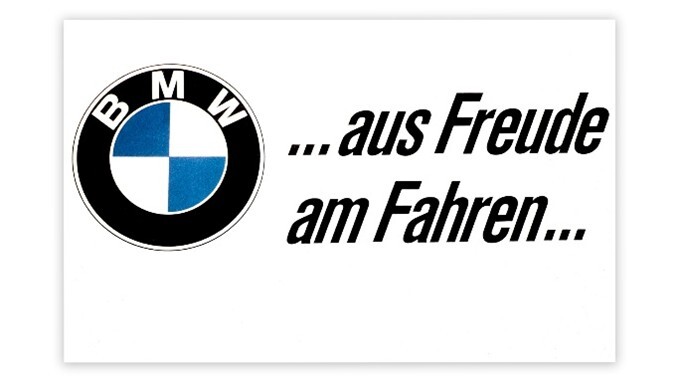

Images © BMW
Best Practices for Translating Marketing Content
- Avoid literal translations. Rewrite rather than translate when needed.
- Invest in transcreation for high-visibility content.
- Use native speakers with marketing expertise.
- Involve in-market reviewers to test tone and impact.
- Don’t forget visuals. Adapt images and colors that support your message locally.
Examples of Great Marketing Translation in Action
Airbnb – Localized Landing Pages
Airbnb doesn’t just translate listings. It localizes entire landing pages based on user IP, showing culturally appropriate imagery and travel recommendations. For example, its Japanese homepage features serene onsen retreats and family-centric messaging.
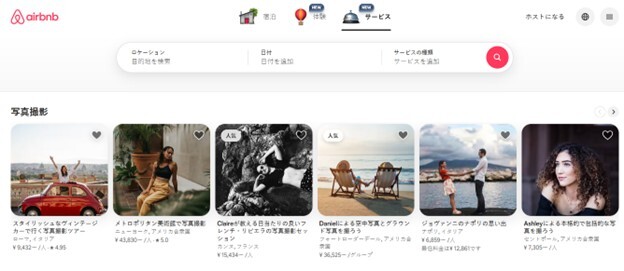
Image @ airbnb Japan
Coca-Cola – Personalized Labels by Market
Coca-Cola’s “Share a Coke” campaign swapped its logo for popular first names—but the genius was in localizing the names. In China, they used relationship terms like “bestie” or “classmate” due to the cultural norms around naming.

Image © Coca-Cola
IKEA – Localized Product Descriptions
IKEA doesn’t just translate catalogs—it rewrites product names and descriptions to fit cultural expectations. For example, in Thailand, product names that sound awkward in Thai are replaced or modified to avoid embarrassment or confusion.
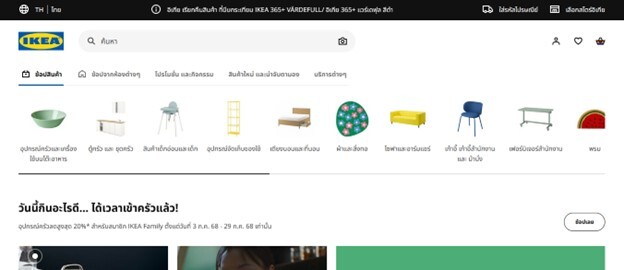
Image © IKEA
Lush Cosmetics – Tone Consistency
Lush maintains its playful, rebellious tone in every language. Its French website swaps masterfully blends the English slogan “Fresh Handmade Cosmetics” and trending words such as “Summer vibes” with French (“Sans emballage” and “Nouveaux produits” without losing its brand personality.
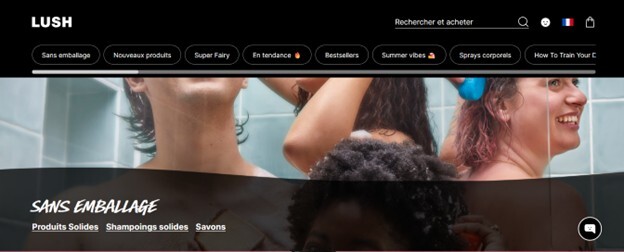
Image © Lush Cosmetics
FAQs
What’s the difference between translation and marketing translation?
Marketing translation goes beyond language accuracy to adapt content for cultural impact, emotional tone, and brand consistency.
How do I know if I need transcreation instead of translation?
If your campaign relies heavily on emotion, humor, or local references, transcreation is likely the better approach.
Can I use AI for marketing translation?
While AI can support initial drafts, human translators are essential for nuance, tone, and cultural accuracy. AI technology has not yet evolved to understand cultural sensitivity and human connection. If you don’t want your message to risk falling flat, a human marketing translation team is your best bet.
How much does marketing translation cost?
Costs vary by language and complexity, but high-impact assets usually cost more due to the creative effort involved. That said, an excellent localized marketing campaign can pay for itself many times over, setting your brand up for global success.

Written by
Kimberlyn Owens-HughesKimberlyn has 20+ years of experience in the language field. With a BA in Spanish and an MA in Teaching English as a Foreign Language, she moved from her home in Nashville, Tennessee, to Valparaiso, Chile back in 2006. Soon after, she began collaborating as one of Day Translations' first Spanish-to-English translators. Over the years, she has shared her passion for language as an English instructor at local Chilean universities, and as a professional translator for the financial, legal, academic, and tourism sectors. She enjoys learning new things in her research and work as a translator, but her true love lies in literature, writing, learning new languages, and travel. As Day Translations' Content Manager, she is able to cultivate this love of language and writing to share her passion and expertise with the world.
Stay in the loop
Get the latest articles on translation, localization, and language delivered straight to your inbox.