Languages of Portugal
When people think of Portugal, the first word that usually comes to mind is “Portuguese.” And that’s fair, Portugal gave the world one of the most widely spoken languages on the planet. But this Iberian nation holds more linguistic richness than most realize. From centuries-old…

6 min read
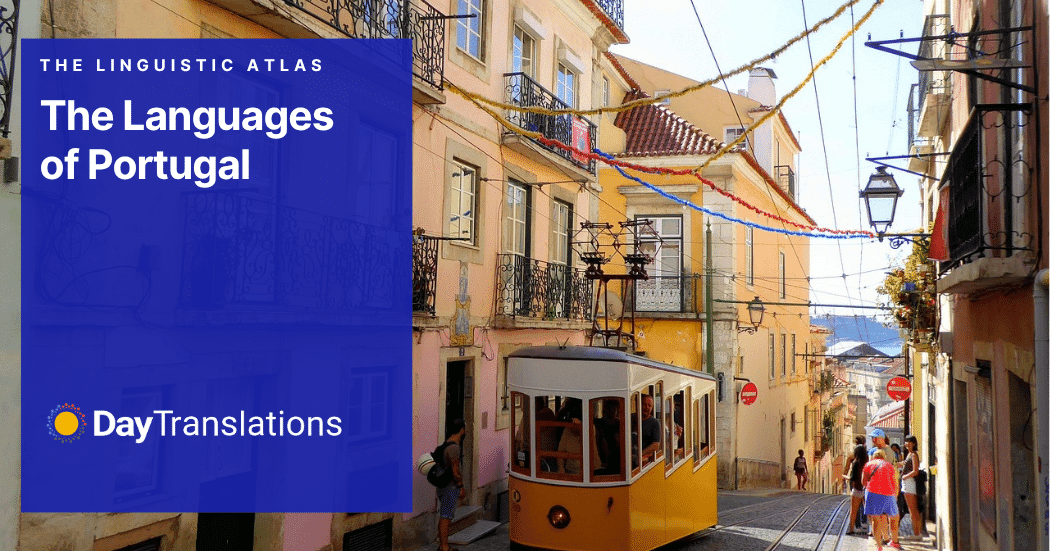
When people think of Portugal, the first word that usually comes to mind is “Portuguese.” And that’s fair, Portugal gave the world one of the most widely spoken languages on the planet. But this Iberian nation holds more linguistic richness than most realize. From centuries-old dialects in rural villages to recognized minority tongues protected by law, the languages of Portugal reflect a fascinating mix of heritage, politics, and culture.
In this installment of The Linguistic Atlas, we explore the official language of Portugal, lesser-known regional tongues, and emerging multilingual influences that help shape Portugal’s unique national identity.
What Is the Official Language of Portugal?
The official language of Portugal is Portuguese. As per the Portuguese Constitution (Article 11), Portuguese is the designated language for government, education, media, and public life. This makes sense, given that Portugal is the birthplace of the Portuguese language and the standard from which many global variants, such as Brazilian Portuguese and African Portuguese dialects, have evolved.
Portuguese has been in use as a written language since at least the 12th century, emerging from the Galician-Portuguese spoken in the northwest of the Iberian Peninsula. Today, it’s not just the heart of Portuguese identity; it’s also the country’s most unifying element linguistically.
What Languages Are Spoken in Portugal?
While Portuguese is the dominant and official language of Portugal, the answer to what language do they speak in Portugal isn’t limited to just one. In some regions, particularly in the northeastern and border areas, people speak other historical and regional languages alongside standard Portuguese. These include Mirandese, Barranquenho, and Portuguese Sign Language.
Most residents are fluent in Portuguese, but bilingualism and the use of regional variants are common in certain pockets of the country. Additionally, thanks to immigration and tourism, languages like English, French, and Spanish are widely understood, especially in urban centers and along the southern coast.
The Portuguese Language: Standard, Rich, and Global
The Portuguese language spoken in Portugal is known for its relatively conservative pronunciation and grammar compared to Brazilian Portuguese. It’s often described as more “closed” or “muffled,” with a distinctive cadence that differentiates it from its Latin American counterpart. This standard, known as European Portuguese, is taught in schools, used in legal documents, and broadcast on national television.
Portugal is also a founding member of the Community of Portuguese Language Countries (CPLP), which includes nations like Brazil, Angola, Mozambique, Cape Verde, and East Timor. Together, they represent over 250 million speakers globally, making Portuguese the sixth most spoken language in the world by number of native speakers.
Regional and Minority Languages in Portugal
While Portuguese dominates public life, languages in Portugal extend beyond the official tongue. The most notable minority language is Mirandese, which has been officially recognized since 1999.
Mirandese: Portugal’s Second Officially Recognized Language
Spoken by approximately 10,000–15,000 people in the municipality of Miranda do Douro in northeastern Portugal, Mirandese is a descendant of the Astur-Leonese language group. It has its own grammar, vocabulary, and phonetics, making it distinctly different from Portuguese, though the two share Latin roots.
Mirandese is taught in schools in its region, appears on bilingual signs, and has support from local institutions and linguistic advocacy groups. While it doesn’t enjoy national official status like Portuguese, its legal recognition means that it’s protected and promoted within its regional context. So if you’re wondering what are the official languages of Portugal, the answer in a strict legal sense is one (Portuguese), but regionally, Mirandese holds a unique, protected status.
Barranquenho and Caló
Barranquenho is a lesser-known regional dialect spoken in the village of Barrancos, near the Spanish border. It blends elements of Portuguese and the neighboring Spanish dialects, forming a hybrid that reflects centuries of cultural exchange. Though it lacks formal recognition, Barranquenho is celebrated as a linguistic curiosity and a symbol of regional identity.
Caló, the traditional language of the Iberian Romani communities, has also been spoken in parts of Portugal. While usage has declined significantly, remnants still exist in cultural and musical expressions.
Portuguese Sign Language
Another key part of languages in Portugal is Portuguese Sign Language (Língua Gestual Portuguesa or LGP). Recognized by the Constitution, LGP is widely used by the Deaf community and supported through interpretation services, education, and national media broadcasts. It has its own syntax and grammar, entirely distinct from spoken Portuguese.
Immigrant and International Languages
As a member of the European Union and a popular destination for tourists and expats, Portugal has also seen a growing diversity in spoken languages. In cities like Lisbon, Porto, and Faro, you’ll commonly hear English, French, and Spanish in both professional and casual settings. Russian, Ukrainian, Chinese, and Cape Verdean Creole have also become increasingly present due to migration trends over the past two decades.
English in particular is widespread in the education system and is often used in business, especially in tech, tourism, and academic sectors. Many young people are effectively bilingual, making Portugal one of the most English-proficient non-native countries in Europe.
Dialects of the Portuguese Language
Even within the Portuguese language, there are distinct dialects across different regions. For example:
- Norte (Northern) Portuguese: Known for its strong nasal tones and unique rhythm.
- Lisboeta (Lisbon): The urban dialect of the capital, often considered standard by media outlets.
- Alentejano: A slower, more melodic variant spoken in the Alentejo region.
- Algarvio: Influenced by tourism and proximity to Spain, this dialect includes softer pronunciation.
These dialects enrich the Portuguese language landscape without forming separate languages, yet they reflect deeply rooted regional identities.
How Many Languages Are Spoken in Portugal?
When we examine the number of languages spoken in Portugal, it depends on how you define “language.” If we count only officially recognized and heritage languages, the number is modest: Portuguese, Mirandese, Portuguese Sign Language, and dialects like Barranquenho and Caló. But if we include immigrant languages and foreign tongues spoken by residents, the number easily surpasses 30.
According to Ethnologue and national linguistic surveys, the number of languages spoken in Portugal includes:
- 1 national official language (Portuguese)
- 1 regionally official language (Mirandese)
- 1 recognized sign language (LGP)
- 2+ minority dialects (Barranquenho, Caló)
- 25+ immigrant and foreign languages in regular use

Written by
Day TranslationsThe Day Translations editorial team is composed of seasoned linguists, translators, and localization experts with a deep passion for language and cross-cultural communication. With decades of combined experience in translation, interpreting, and multilingual content creation, the team brings a unique perspective on the evolving world of global communication. Their insights reflect both academic expertise in linguistics and hands-on experience. Each article is crafted to inform, inspire, and support professionals navigating the multilingual landscape.
Stay in the loop
Get the latest articles on translation, localization, and language delivered straight to your inbox.