Expanding Online Business Across Borders: The Importance and Strategies of Localization
Going global with your online business means more than just stepping into new markets—it’s about connecting deeply with people from different cultures and backgrounds. That’s where localization owns the scene. It transforms your business from being just another option to being the go-to choice by…

8 min read
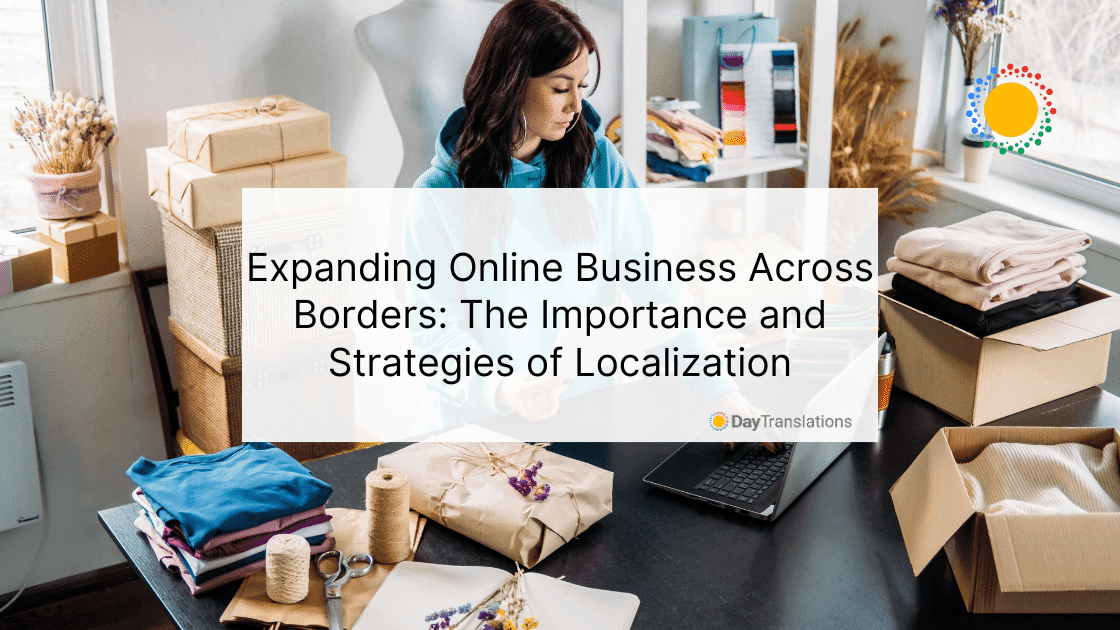
Going global with your online business means more than just stepping into new markets—it’s about connecting deeply with people from different cultures and backgrounds. That’s where localization owns the scene. It transforms your business from being just another option to being the go-to choice by making everyone feel seen and understood, no matter where they are.
Wondering how to grow your business online across the globe? It starts with making your audience feel at home with your brand. But, let’s be real, this journey is packed with hurdles – from figuring out local tastes to navigating through payment quirks. We’re here to walk you through some smart moves that have helped others sail smoothly through these challenges.
Common Challenges of Cross-Border Business Expansion
Venturing into the global market is an ambition many businesses share, drawn by the promise of reaching a broader audience and unlocking new growth opportunities. However, this venture is far from straightforward.
Global e-commerce sales are projected to reach $6.3 trillion by 2024, making the desire to go cross-border very understandable. What e-commerce business doesn’t want a piece of that cake?
Understanding Cultural Gaps
Different cultures have unique ways of seeing the world, which directly influences their buying habits. A strategy that excels in one country may fail in another due to cultural differences. While Western markets may value individual choice, Asian cultures often focus on community consensus.
Recognizing and adapting to these nuances is key to a successful cross-border business expansion. Brands like McDonald’s excel at this, offering region-specific menus that cater to local tastes, demonstrating the power of cultural customization.
Navigating Regulatory Landscapes
Each country comes with its regulatory maze, from import tariffs to data protection laws. Missteps here can lead to fines, legal challenges, or worse, a market exit. The introduction of GDPR in the EU serves as a prime example, drastically changing how businesses handle European customer data.
But there are plenty of different regulations, depending on the nature of a business, like the Federal Trade Commission (FTC) Act, the Health Insurance Portability and Accountability Act (HIPAA) Privacy Rule, and many more.
Staying on top of these laws is essential to play in the global arena without facing penalties or losing trust.
Handling Payment Preferences
The diversity in payment preferences across borders can significantly affect conversion rates. While credit cards dominate in the U.S., alternative payment methods like Alipay in China, and iDeal in the Netherlands, are the top payment choices for consumers.
To effectively cater to these varied preferences, businesses can integrate a reliable money sending app, enabling seamless transactions through multiple payment methods. This strategic approach ensures a smooth checkout experience, reducing cart abandonment and boosting global sales.
Adapting to these preferences is not optional but a necessity for businesses aiming for global reach. Ignoring local payment habits can alienate potential customers, narrowing your market entry.
Dealing with Language Barriers
Language barriers can impede your market penetration efforts, making it difficult to connect with new customers. Even within the same language, regional dialects and idioms can vary greatly.
Professional translation and localization services become a step you must take, ensuring that your message is not just understood but also resonates with your target audience. Companies like Netflix have mastered this, offering localized content that significantly boosts their global appeal.
Logistics and Supply Chain Complexity
Expanding internationally complicates logistics and supply chain management. Effective inventory control in supply chain management becomes crucial, as shipping across borders often means dealing with customs, which can delay deliveries and increase costs.
Amazon’s global distribution network exemplifies efficiency in this area, ensuring fast and reliable delivery worldwide. For smaller businesses, forming partnerships with local distributors can mitigate these challenges.
Competitive Landscape Analysis
Entering a new market means facing established local competitors who understand the local consumer psyche. Without thorough market research, your business might struggle to find its footing. To overcome this challenge, secure residential proxies provide access to local data that is often blocked, helping you gain accurate insights and better understand your competitors and customers. Using residential proxies can make this process even smoother — they let businesses collect localized market data safely and anonymously, ensuring accurate competitor analysis and reliable global SEO or pricing insights.
Look to Airbnb’s expansion strategy, which includes acquiring local competitors and adapting their platform to fit local needs, showcasing the importance of understanding and integrating into the competitive landscape.
Adapting Marketing Strategies
What works in one market may not work in another due to differences in media consumption, legal restrictions on advertising, and cultural perceptions of marketing. Coca-Cola’s global marketing campaigns are a testament to the power of adapting messaging to fit local cultures while maintaining a cohesive brand image.
Tailoring your marketing strategy to each locale is essential for engaging and attracting a global customer base.
Ensuring Digital Optimization
Your online presence must be optimized for a global audience. This includes ensuring your website loads quickly worldwide, is mobile-friendly, and adheres to local SEO practices. Google’s AMP project is an initiative aimed at improving mobile web browsing globally, reflecting the importance of digital optimization in today’s interconnected world.
7 Strategies of Successful Localization and Cross-Border Expansion
Now that you know the common challenges, it’s time to unlock the ideas and strategies to overcome them. In addition, here are seven successful strategies for excelling at localization and global market penetration.
Strategy #1: Dive Deep into Local Consumer Insights
To truly resonate with a global audience, it’s essential to understand what drives them. This means diving deep into their preferences, needs, and pain points.
- Analyze local search trends on platforms like Google Trends to pinpoint what potential customers are looking for.
- Host focus groups or online forums within the target market to discuss your products or services, gaining direct feedback and insights.
- Utilize local market analysis tools such as SEMrush or Ahrefs to understand the competitive landscape and identify gaps your business can fill.
Strategy #2: Craft Culturally Resonant Content
Content that speaks the local language, literally and figuratively, can significantly increase engagement. For example, Southern Live Oak Wellness, a depression treatment center in Atlanta, demonstrates effective localization by tailoring its messaging to the needs and culture of its local community. Its page on residential depression treatment highlights compassion, community connection, and the pressures of Atlanta’s fast-paced lifestyle, showing how localized content can build emotional resonance and trust.
- Employ native translators who understand the cultural context, not just the language.
- Develop local success stories to showcase how your product or service has benefited customers in the region.
- Utilize local holidays and events as opportunities for special promotions or content, connecting your brand with local traditions.
Strategy #3: Customize Commerce to Fit Local Preferences
Adjusting your sales approach to align with local buying behaviors can greatly improve conversion rates.
- Offer payment methods preferred in the market, such as Boleto in Brazil or Sofort in Germany, to accommodate local habits.
- Implement dynamic pricing that automatically adjusts for local currencies and tax requirements, creating a straightforward purchase process.
- Design customer service protocols that reflect local etiquette and service expectations, providing support through preferred channels like WhatsApp in Brazil.
Strategy #4: Enhance Visibility with Local SEO Tactics
Optimizing for local search engines ensures your business is found by the right audience.
- Incorporate local slang and keywords into your website’s SEO strategy to capture the authentic search behavior in the region.
- Create location-specific pages on your website that highlight your presence and offerings in particular markets.
- Build links with local businesses and blogs to improve your site’s relevance and authority in regional search engines.
Strategy #5: Engage Audiences on Preferred Social Platforms
Tailoring your social media strategy to the preferred platforms in each market can foster stronger community engagement.
- Identify regional social media trends using tools like BuzzSumo to see where your target audience spends their time online.
- Create platform-specific content that caters to the unique format and audience of each social media site, like using Douyin for short videos in China.
- Partner with local influencers who align with your brand values to introduce your products to a wider audience in an authentic manner.
Strategy #6: Tailor Your Branding to Echo Local Tastes
Adapting your brand’s look and message to align with local expectations can make your business more appealing.
- Conduct A/B testing on your website with images and color schemes that reflect local preferences to see what performs better.
- Adapt your taglines and messaging for cultural relevance without losing your brand’s core identity.
- Localize user interfaces on your website and apps to not only translate the language but also adapt the UX design to local norms.
Strategy #7: Commit to Ongoing Local Market Learning
Staying attuned to the dynamic nature of global markets ensures your localization efforts remain effective.
- Implement analytics to track engagement and conversion metrics from localized content and campaigns, using insights to refine strategies.
- Subscribe to local business news in your target markets to stay updated on economic, cultural, and political changes that could affect consumer behavior.
- Work with local experts to understand the unique nuances of the market. For example, if you’re looking to enter the UK market, hiring in the UK can uncover valuable local knowledge.
The Final Advice
To “win the global race”, follow these steps closely, listen to what the market tells you, and trust your gut. Together, they’re your roadmap to winning in new places. It’s that mix of smart planning and a bit of instinct that’ll help your business grow far and wide.

Written by
Day TranslationsThe Day Translations editorial team is composed of seasoned linguists, translators, and localization experts with a deep passion for language and cross-cultural communication. With decades of combined experience in translation, interpreting, and multilingual content creation, the team brings a unique perspective on the evolving world of global communication. Their insights reflect both academic expertise in linguistics and hands-on experience. Each article is crafted to inform, inspire, and support professionals navigating the multilingual landscape.
Stay in the loop
Get the latest articles on translation, localization, and language delivered straight to your inbox.