Code Names and Secret Slang: How Spies Use Language
Language has long been a powerful tool in the world of espionage. From coded messages to secret slang, spies rely on linguistic ingenuity to transmit sensitive information, evade detection, and maintain covert identities. In this installment of The Language Classroom, we explore how intelligence agencies…

3 min read
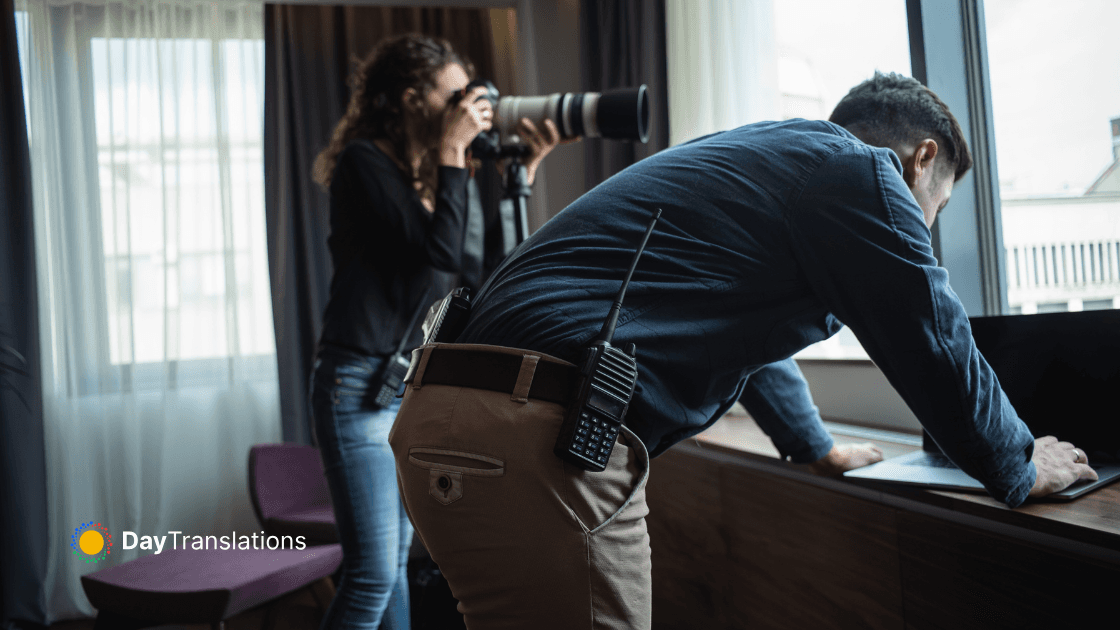
Language has long been a powerful tool in the world of espionage. From coded messages to secret slang, spies rely on linguistic ingenuity to transmit sensitive information, evade detection, and maintain covert identities. In this installment of The Language Classroom, we explore how intelligence agencies and operatives have used secret slang as a weapon and a shield throughout history.
The Power of Code Names in Secret Slang
One of the most famous elements of spycraft is the use of code names. These aliases serve multiple purposes: they protect identities, obscure operations, and sometimes mislead adversaries. Notable examples include:
- “The White Rabbit” – A codename used in World War II for British agent F.F.E. Yeo-Thomas.
- “Cicero” – The codename of an Albanian spy who infiltrated the British Embassy in Turkey during WWII.
- “MAGPIE” – A Cold War-era KGB informant embedded in Western intelligence.
Modern intelligence agencies still use code names for high-profile operations, such as the U.S. Navy SEALs’ “Operation Neptune Spear”, which led to the capture of Osama bin Laden.
Spy Slang and Jargon
Just as military personnel have their own lingo, spies use unique slang to communicate discreetly. Some key terms include:
- “Dead drop” – A method of passing information through a hidden location.
- “Brush pass” – The quick handoff of materials between operatives in a public place.
- “Cut-out” – An intermediary used to transfer information while maintaining deniability.
- “Mole” – A deep-cover spy within an enemy organisation.
This coded vocabulary not only enhances secrecy but also reinforces a sense of identity among intelligence professionals.
Cipher Systems and Cryptography
Beyond spoken slang, spies have historically relied on coded messages to protect classified information. Some famous examples include:
- The Enigma Machine – Used by Nazi Germany during WWII, cracked by Allied cryptographers at Bletchley Park.
- The Caesar Cipher – An ancient encryption technique shifting letters in the alphabet.
- One-Time Pad – A virtually unbreakable cipher used in espionage, where a random key is used only once.
In modern times, advanced encryption methods like quantum cryptography continue to evolve, ensuring that intelligence remains secure from adversaries. These breakthroughs are increasingly supported by quantum computing software, which enables the development of cryptographic systems resilient against even the most sophisticated attacks.
Hidden Messages and Steganography
Spies have also used steganography—the practice of concealing information within other mediums. Some historical examples include:
- Invisible Ink – Messages written in lemon juice or other substances only visible under certain conditions.
- Microdots – Tiny, hidden images containing vast amounts of text.
- Masked Texts – Letters where seemingly innocuous phrases carried secret meanings when read in a certain pattern.
Even in the digital age, steganography remains relevant, with covert messages hidden in image files and metadata.
Espionage in the Digital Era
While traditional spycraft remains valuable, modern intelligence agencies have adapted to new linguistic challenges. Encrypted messaging apps, deepfake technology, and AI-driven voice alteration allow operatives to disguise communication in unprecedented ways. Additionally, social media has become a battleground for cyber-espionage, where coded language is used to signal insiders and spread misinformation.
Conclusion: The Ever-Evolving Spy Lexicon
The language of spies is as dynamic as the field of espionage itself. Whether through code names, secret slang, cryptographic techniques, or digital deception, intelligence operatives continue to use language as both a shield and a sword.
Understanding the linguistic intricacies of spycraft offers a fascinating glimpse into the covert world of espionage—where a single word can mean the difference between life and death.
What are your favourite examples of spy language and secret slang? Share them below!

Written by
Seldean SmithSeldean is a multi-skilled content wizard that loves digging into all things language, culture, and localization.
Stay in the loop
Get the latest articles on translation, localization, and language delivered straight to your inbox.