Augmented Reality (AR) for Language Learning and Cultural Immersion
Traditionally, language learning relies on textbooks, audio recordings, and language classes. However, these methods often lack real-world context. They fail to provide immersive cultural experiences crucial for a deeper understanding of specific language nuances. This is where Augmented Reality (AR) comes in as a game…

8 min read
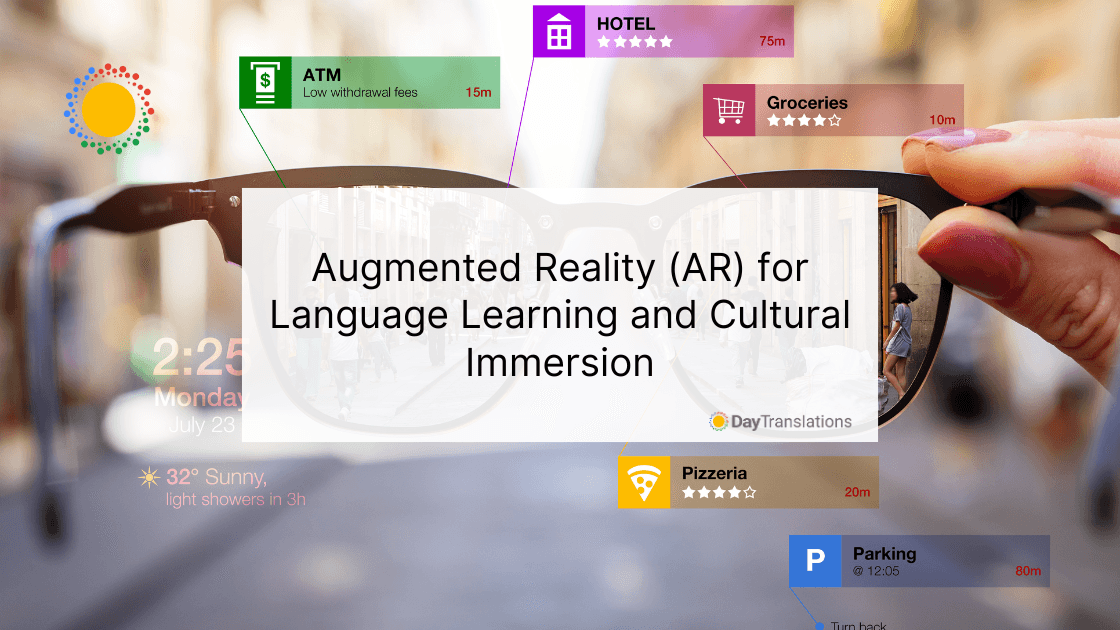
Traditionally, language learning relies on textbooks, audio recordings, and language classes. However, these methods often lack real-world context. They fail to provide immersive cultural experiences crucial for a deeper understanding of specific language nuances. This is where Augmented Reality (AR) comes in as a game changer. Its ability to superimpose digital content onto the physical world transforms static traditional learning into dynamic experiences. As such, it enhances comprehension while encouraging curiosity and exploration. By breaking the boundaries of traditional classrooms, AR helps integrate language learning with cultural immersion.
Importance of Cultural Immersion in Language Learning
Learning a new language is not merely about memorizing vocabulary and getting the hang of grammar rules. Language is closely related to culture. Cultural immersion stands for dealing with the customs, traditions and everyday life of a native community. Here is how it promotes linguistic learning and enriches the overall learning experience:
- Contextual Understanding: Each language is more than a string of words. It reflects the values, history and traditions of its speakers. Cultural immersion helps learners understand idioms, expressions and contextual meaning behind the words.
- Authentic Communication Skills: Learners can engage with native speakers in their natural environment to use language in real-life situations. They will adapt to colloquial expressions, slang, and varying accents. This way, they will strengthen their ability to communicate in diverse social settings confidently.
- Cultural Competence: Cultural immersion contributes to the understanding of social norms, etiquette and customs. This quality is essential to avoid misunderstandings and build meaningful connections with native speakers.
- Broader Perspectives: Language learning from a societal perspective exposes students to diverse viewpoints, lifestyles and historical backgrounds. This contributes to a more comprehensive understanding of the world, open-mindedness and tolerance.
- Memory Retention: Experiencing language within cultural contexts improves memory retention. Matching words and phrases with actual situations helps in cognitive recall and stimulates the brain’s adaptability.
- Increased Motivation: Direct application of the acquired linguistic skills in real-world scenarios will motivate learners and keep them engaged. Tangible connections with foreign cultures will fuel their desire to continue learning.
Augmented Reality Benefits in Language Learning
Sticking to traditional educational methods, students might struggle to retain information or feel disconnected from real-world applications of the language they learn. Accustomed to interactive digital experiences, modern learners seek more engaging activities and approaches capable of captivating their attention. Augmented Reality disrupts traditional learning processes by ensuring innovative learning opportunities and experiences that were not available before. The tech offers multiple benefits to transform the educational journey.
Interactive Learning
Traditional language learning often results in disinterest and passive engagement. AR injects a new lease of life into the educational process. Boring classes, mundane vocabulary lists and routine recordings are replaced by interactive activities. Using Augmented Reality applications, learners delve into dynamic environments where they interact with virtual objects, engage in simulated conversations, undertake gamified challenges and receive instant feedback.
Real-World Contextualization
One of the most significant hurdles in language learning is bridging the gap between classroom studies and the contextual application of linguistic skills. Augmented Reality provides learners with unique opportunities to try their skills in context.
The tech overlays language exercises, vocabulary quizzes, and cultural insights onto existing environments to deliver practical and relevant learning experiences. By labeling objects in the environment with their corresponding foreign linguistic terms or simulating real-life scenarios, AR immerses students in authentic linguistic contexts. This way, it facilitates faster comprehension and retention.
Personalized Learning Experiences
No two learners are alike. AR recognizes diversity and offers personalized experiences tailored to individual needs and preferences. Through adaptive algorithms and immersive simulations, AR platforms can gauge learners’ proficiency levels, track their progress and dynamically adjust content to suit their learning pace and style. The personalized approach enhances motivation and ensures that each learner receives targeted support where needed, thus, maximizing learning outcomes.
Multi-Sensory Learning
Acquiring linguistic skills is a multi-dimensional process. It involves auditory, visual, and kinesthetic senses. AR introduces integrating audiovisual cues, interactive gestures, and spatial awareness into the learning process to amplify multi-sensory experience. Learners can listen to native speakers’ pronunciation, visually identify objects and physically interact with virtual content. Holistic engagement of their senses reinforces language concepts through experiential learning.
Collaborative Learning Communities
In the digital age, learning extends beyond individual endeavors, embracing the power of collaborative communities. AR makes social learning much easier. It enables students to collaborate with peers in virtual classrooms, participate in language exchange programs and engage in joint projects. AR fosters a sense of camaraderie and mutual support to transform language learning into a collective journey, where learners inspire and learn from each other.
The Role of Augmented Reality in Cultural Immersion
When students engage with authentic societal experiences, they sneak peek into the nuances of language usage and gain references that textbooks alone cannot provide. Besides, cultural immersion encourages them to step out of their comfort zones and embrace surrounding diversity for a more open and global language perception. By plunging into the target culture, learners become more proficient communicators. AR has much to offer in this respect, offering a virtual gateway to immersive cultural experiences.
Simulating Real-Life Cultural Scenarios
With AR, students can plunge into realistic scenarios that mimic everyday life in the target culture. AR apps can simulate cultural rituals, social interactions, and daily activities. Learners can experience linguistic nuances firsthand without even going anywhere. The tech enables them to participate in a traditional tea ceremony, attend a local festival or navigate a bustling marketplace.
By breaking down geographical barriers and transporting learners to distant lands, AR opens doors to cultural exploration and invites them to embark on virtual voyages of discovery. This approach not only makes learning more exciting and captivating but also makes language more tangible and comprehensible overall.
Cultivating Empathy and Understanding
In an interconnected world, cultural competence and empathy are indispensable qualities for global citizens. AR helps cultivate these essential attributes and fosters cross-functional understanding. Through virtual interactions with diverse perspectives and lifestyles, students gain insight into the life experiences of other people. This helps decipher challenging culture-related stereotypes and establish mutual respect.
Building Bridges Across Borders
Through collaborative AR experiences, learners from different cultural backgrounds come together to share their stories, exchange ideas, and celebrate diversity. By maintaining smooth cross-cultural communication, AR transcends linguistic and societal barriers and paves the way for a more interconnected and harmonious world.
To further enhance these collaborative experiences, institutions and organizations may explore OTT application development, allowing them to create customized over-the-top applications that facilitate seamless and immersive augmented reality interactions for diverse learners worldwide.
Virtual Tours and Cultural Experiences
Simulated reality facilitates virtual tours and cultural experiences that transport learners to iconic landmarks, historical sites and institutions around the world. It allows learners to explore famous landmarks, museums and cultural heritage places to embrace the rich history of the target culture. These virtual experiences are a cost-effective and accessible alternative to physical travel. They enable learners to broaden their cultural horizons from the comfort of their own homes.
Cultural Interaction
AR contributes to efficient cultural interaction by facilitating virtual exchanges and connections between learners and native speakers. Students can engage in virtual l discussions and collaborative projects with peers from diverse societal environments to participate in intercultural dialogues. Leaner connections with native speakers and cultural experts will help them practice and enhance their linguistic skills and get a deeper understanding of the target culture.
Real-Life Examples of Augmented Reality Applications for Language Learning and Cultural Immersion
AR mixes digital content into real-world environments to offer unique opportunities for learners to participate in real-life scenarios. It works to improve their understanding of language use and cultural context while making the learning process more involving.
- Language AR-Driven Translation Apps: Some mobile apps use AR for real-time text translations. Users can point their device’s camera at written materials in a foreign language, and the app will display the translation on the screen.
- AR Language Learning Games: In these games, players plunge into interactive environments where they should use their language knowledge to solve puzzles or complete tasks. For example, players might explore virtual neighborhoods or interact with virtual characters. Meanwhile, they can practice vocabulary, grammar and conversational skills.
- Virtual Language Exchange Platforms: These platforms simulate genuine conversations. Through AR avatars or holograms, users from different parts of the world can communicate with each other. They can share cultural aspects and practice speaking and listening skills at the same time.
- Interactive Language Learning Worksheets: Educators can make traditional learning materials more interactive by incorporating AR. Learners can scan specific images or symbols with a mobile device to access multimedia content. The latter includes audio pronunciations, animated explanations or appropriate interactive exercises.
- AR Language Immersion Apps: With these apps, learners should navigate various situations in simulated realistic scenarios using solely the target language.
Final Thoughts on Augmented Reality in Language Learning
AR is a potent transformative tool for language learners seeking to master new languages and improve their understanding of global cultures. With AR technology, educators can create immersive, engaging and authentic learning experiences to provide learners with unprecedented opportunities for linguistic and cultural exploration.
Author bio:
Roy Emmerson is the co-founder of TechTimes.com, a B2B SaaS platform that helps businesses stay up-to-date on the latest technology trends. With over a decade of experience in the tech industry, Roy is a thought leader in the field and is passionate about helping companies embrace new technologies to improve their operations and drive growth.

Written by
Day TranslationsThe Day Translations editorial team is composed of seasoned linguists, translators, and localization experts with a deep passion for language and cross-cultural communication. With decades of combined experience in translation, interpreting, and multilingual content creation, the team brings a unique perspective on the evolving world of global communication. Their insights reflect both academic expertise in linguistics and hands-on experience. Each article is crafted to inform, inspire, and support professionals navigating the multilingual landscape.
Stay in the loop
Get the latest articles on translation, localization, and language delivered straight to your inbox.